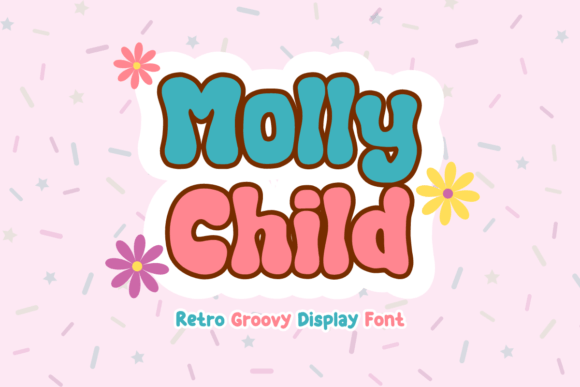
Molly Child: Reviving Retro Groovy Vibes for Modern Design
In the ever-shifting landscape of graphic design, trends often move in cycles, bringing past aesthetics back into the spotlight with a fresh perspective. Currently, there is a palpable resurgence of interest in retro and vintage styles, driven by a collective desire for warmth, nostalgia, and human connection in an increasingly digital world. At the heart of this movement lies Molly Child, a display font that perfectly captures the essence of the groovy era while remaining versatile enough for contemporary applications. Whether you are a seasoned graphic designer, a small business owner creating merchandise, or a hobbyist looking to personalize a gift, understanding the utility and style of Molly Child can significantly elevate your creative output.
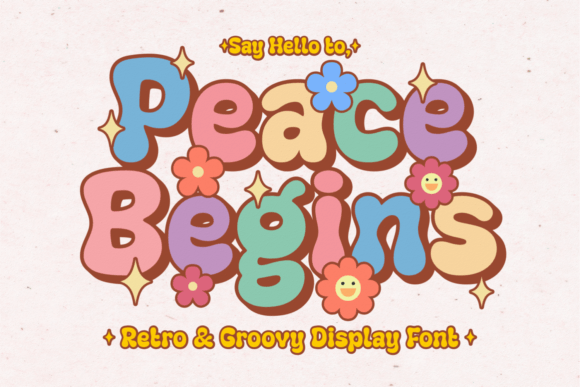
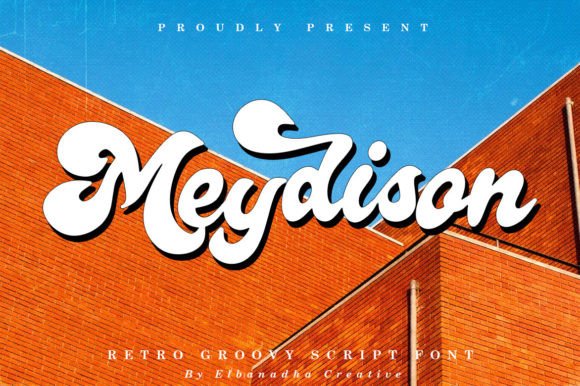
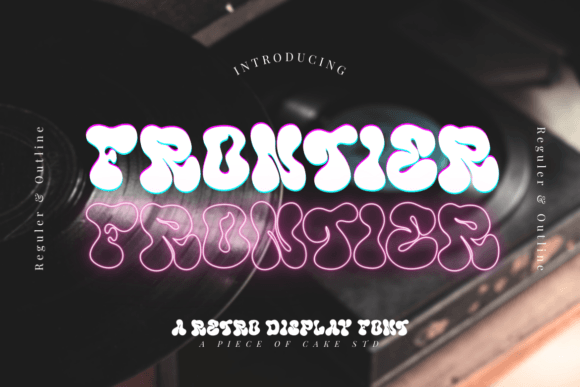
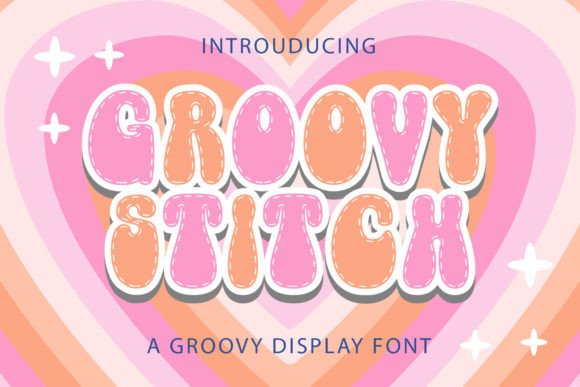
Molly Child is not just another typeface; it is a design tool characterized by its unique, bubbly, and slightly irregular forms that evoke the free-spirited attitude of the 1970s. Unlike rigid, geometric sans-serifs that dominate corporate branding, this font offers a sense of playfulness and approachability. It features a complete set of uppercase and lowercase letters, numbering, and punctuation, ensuring that creators have all the necessary components to craft coherent and visually striking messages. The font's distinct personality makes it ideal for projects where the goal is to stand out, evoke emotion, or simply add a touch of whimsical charm.
The Resurgence of Vintage Aesthetics in Digital Workflows
The popularity of fonts like Molly Child reflects a broader shift in consumer preferences and market trends. As audiences become desensitized to sleek, ultra-modern minimalism, there is a growing appetite for designs that feel "hand-made" or authentic. This trend is evident across various industries, from fashion and food packaging to social media marketing and web design. Brands are increasingly leveraging retro typography to signal transparency, creativity, and a connection to heritage. For entrepreneurs and marketers, adopting a style like Molly Child can be a strategic move to differentiate their visual identity in a crowded marketplace.
Furthermore, the rise of the creator economy has democratized design. More individuals than ever before are producing their own content, whether it's for Etsy shops, Instagram stories, or local community events. These creators often lack the budget for custom lettering but still require high-quality assets that look professional yet personal. Display fonts that offer a vintage flair fill this gap perfectly. They allow users to achieve a custom illustrative look without needing advanced drawing skills. The accessibility of tools like Molly Child empowers freelancers and small business owners to maintain high production values while expressing their unique brand voice.
Versatility Across Physical and Digital Mediums
One of the standout qualities of Molly Child is its adaptability across different mediums. In the realm of physical products, the font shines in craft projects and merchandise creation. Imagine a local coffee shop looking to update its menu boards or a boutique selling handmade tote bags. Using a retro groovy display font can instantly communicate a vibe of artisanal quality and fun. The font is particularly well-suited for:
- T-shirt quotes and apparel: The bold, rounded strokes remain legible even when printed on fabric, making it perfect for streetwear or event shirts.
- Stickers and labels: Its playful nature adds character to product packaging, encouraging customers to keep and reuse the stickers.
- Posters and displays: Whether for a music gig, a garage sale, or an art exhibition, the font grabs attention from a distance.
- Sublimation projects: From mugs to pillows, the clean lines of the characters transfer beautifully onto various surfaces.
Beyond physical goods, Molly Child holds its own in digital environments. While display fonts are sometimes tricky to use in long-form body text, they excel in headlines, logos, and call-to-action buttons. Web designers and bloggers can use it to create engaging headers that break up the monotony of standard web fonts. Social media managers can leverage its style to create eye-catching graphics for posts and stories, increasing engagement through visual appeal. The key is balance; using such a distinctive font for emphasis rather than saturation ensures it retains its impact.
Technical Compatibility and Ease of Use
A beautiful font is only as good as its usability. Fortunately, Molly Child is designed with modern workflows in mind. It comes in multiple file formats, including OTF (OpenType Font), TTF (TrueType Font), and WOFF (Web Open Font Format). This variety ensures compatibility across a wide range of operating systems and software applications. Whether you are working on a PC or a Mac, installation is straightforward, allowing you to get straight to designing without technical hurdles.
For professionals relying on the Adobe Creative Cloud ecosystem, Molly Child integrates seamlessly. It works flawlessly in Adobe Illustrator for vector-based logo design, Adobe Photoshop for raster-based image editing and mockups, and Adobe InDesign for layout-heavy projects like brochures or magazines. Additionally, its compatibility extends to more accessible software like Microsoft Word, making it a viable option for educators creating classroom materials, authors formatting book covers, or office workers designing internal newsletters. This cross-platform support removes barriers to entry, ensuring that anyone with a computer can utilize high-quality typography.
Practical Tips for Integrating Retro Fonts
While the aesthetic appeal of Molly Child is undeniable, using it effectively requires a bit of strategic thinking. Because it is a display font with strong personality traits, it should generally be paired with simpler, more neutral typefaces for body text. This contrast helps maintain readability while allowing the retro font to serve as the focal point. For instance, pairing Molly Child with a clean sans-serif or a classic serif can create a balanced composition that feels both nostalgic and modern.
Color choice also plays a crucial role in maximizing the font's potential. Retro styles often benefit from warm, earthy tones like mustard yellow, burnt orange, and olive green, or conversely, high-contrast combinations like black and white or pastel pinks and blues. Experimenting with color palettes that echo the 1970s can enhance the overall thematic consistency of a project. Moreover, considering the spacing and kerning is essential. Display fonts often have unique spacing characteristics, so adjusting the tracking manually in your design software can prevent letters from feeling too cramped or too distant.
For those involved in sublimation or print-on-demand businesses, testing the font at various sizes is recommended. What looks great on a screen might behave differently when printed on a textured surface like a sweater or a canvas bag. Ensuring that the intricate curves of the lowercase letters and the boldness of the uppercase characters translate well to physical media is a vital step in the quality control process.
Investing in Timeless Design Assets
In a fast-paced digital environment, it is easy to chase fleeting trends that disappear as quickly as they arrive. However, the retro aesthetic has proven to be remarkably resilient, evolving rather than vanishing. Investing in a high-quality font family like Molly Child is an investment in a versatile asset that can serve multiple purposes over time. For freelancers and agencies, having a library of distinctive fonts allows for quicker turnaround times on projects that require a specific mood or tone.
Educators and content creators also benefit from having access to such resources. Engaging visuals are critical for holding attention in educational settings or informative blogs. A well-chosen font can make information feel more inviting and less sterile. By incorporating elements of fun and nostalgia, creators can foster a deeper emotional connection with their audience, leading to better retention and engagement rates.
Ultimately, the value of Molly Child lies in its ability to bridge the gap between professional polish and personal expression. It offers the technical robustness required for commercial use while retaining the artistic soul that makes design meaningful. As we continue to navigate a world that often feels automated and impersonal, tools that allow us to inject humanity, humor, and history into our work become indispensable. Whether you are designing a logo for a new startup, creating a heartfelt greeting card, or launching a line of vintage-inspired apparel, Molly Child provides the stylistic foundation to bring your vision to life with authenticity and flair.