Sanjo Display Font: A Handwritten Style for Every Creator
There is a distinct warmth in typography that mimics the human hand. Unlike rigid geometric sans-serifs or traditional serifs that demand formality, a handwritten typeface invites connection. Sanjo enters this space as a display font crafted with genuine care, offering a blend of personality and versatility that resonates across a wide spectrum of creative projects. Whether you are designing a limited-run apparel line, crafting a heartfelt greeting card, or building a brand identity from scratch, the right font acts as the voice of your visual message. Sanjo provides that voice with a casual yet polished tone, making it an excellent choice for those who value authenticity in their design work.
Understanding the Character of Sanjo
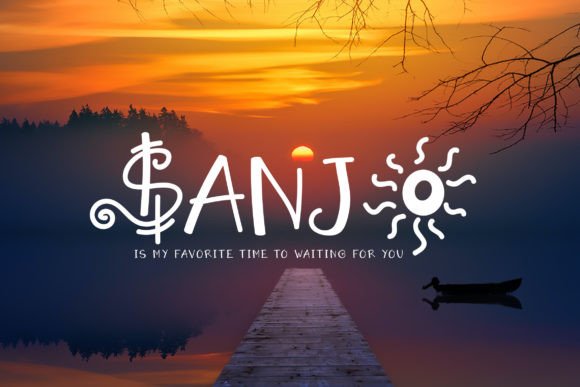
At its core, Sanjo is a display font, meaning it is designed to be used at larger sizes where its unique characteristics can shine. It was made by hand, a process that infuses the letterforms with organic imperfections and fluidity that digital algorithms often struggle to replicate. This "made with love" approach results in a typeface that feels approachable and human. The font includes alternate characters, a crucial feature for any serious designer. These alternates allow you to swap out specific letters to create variation within a word, preventing the repetitive look that sometimes plagues digital handwriting fonts. This flexibility ensures that your text looks natural, as if it were truly written in the moment.
The technical delivery of Sanjo is straightforward, provided in both .ttf (TrueType) and .otf (OpenType) formats. This compatibility ensures that whether you are working on a Mac, a PC, or using professional design software like Adobe Illustrator, Photoshop, or free alternatives like Canva and GIMP, the font will integrate seamlessly into your workflow. For users who prioritize reliability and ease of installation, having both file types removes potential friction, allowing you to focus immediately on the creative aspect of your project rather than troubleshooting compatibility issues.
Why Different Creators Choose Sanjo
The value of a typeface is rarely universal; it shifts depending on who is holding the mouse and what they are trying to achieve. What makes Sanjo indispensable to a small business owner might be entirely different from what a hobbyist appreciates.
For Entrepreneurs and Small Business Owners
If you run a small business, particularly in the lifestyle, wellness, or boutique sectors, your brand identity is your most valuable asset. You need visuals that communicate trust and personality without appearing corporate. Sanjo excels here because it strikes a balance between professional presentation and friendly accessibility. Consider a local coffee shop creating signage for a seasonal latte or an online store designing product packaging for handmade soaps. In these contexts, the handwritten style of Sanjo suggests craftsmanship and attention to detail. The priority for this group is often commercial value and brand differentiation. They need a font that helps their products stand out on a crowded shelf or social media feed, and the unique alternates in Sanjo allow for custom logotypes that feel exclusive rather than generic.
Apparel Designers and Merchants
For those creating apparel such as T-shirts and hoodies, typography is frequently the main event. The trend toward quote-based fashion continues to thrive, and consumers are drawn to designs that feel personal. Sanjo's structure is robust enough to remain legible when printed on fabric, yet fluid enough to look stylish. A designer might use the standard glyphs for a clean statement on a hoodie pocket, while utilizing the alternate characters to create a more dynamic, scattered layout on the back of a T-shirt. The decision factor here is flexibility and aesthetic appeal. The font must look good when scaled up large and maintain its charm when viewed from a distance. Sanjo's display nature makes it ideal for these high-impact applications.
Bloggers and Content Creators
In the digital realm, attention spans are short. Bloggers and social media marketers need visuals that stop the scroll. When creating graphics for blog posts, Pinterest pins, or Instagram stories, a font like Sanjo adds a layer of emotional resonance that standard web fonts lack. It is particularly effective for Valentine's Day content, inspirational quotes, or personal storytelling. For this audience, speed and engagement are key priorities. They need a tool that allows them to produce high-quality graphics quickly without needing extensive graphic design training. Because Sanjo is inherently decorative, it requires minimal additional embellishment to look complete, saving time in the production process.
Educators and Hobbyists
Teachers, workshop leaders, and hobbyists often create materials for community use, such as flyers for events, labels for organization, or wall art for classrooms. For these users, the primary concern is often ease of use and approachability. A handwritten font makes educational materials feel less intimidating and more inviting. A science teacher labeling jars in a classroom or a yoga instructor designing a schedule board can use Sanjo to create an atmosphere of warmth and encouragement. The inclusion of alternate characters also offers a subtle learning opportunity about typography and design variability for students or fellow hobbyists interested in the craft.
Practical Applications and Project Fit
Determining whether Sanjo matches your goals comes down to the specific requirements of your project. If you are working on a long-form document or a legal contract, a display font is not the appropriate tool; readability at small sizes is paramount there. However, for headlines, logos, posters, and short bursts of text, Sanjo shines.
- Product Packaging: Use Sanjo for ingredient lists on artisanal foods or branding on cosmetic labels to imply a handmade quality.
- Wall Art and Decor: The fluid lines work beautifully when printed on canvas or framed prints, adding a touch of modern bohemian style to home interiors.
- Greeting Cards: Whether for Valentine's Day, birthdays, or thank-you notes, the font conveys sincerity and personal effort.
- Quotes and Posters: Ideal for motivational quotes where the emotion of the words needs to be reinforced by the style of the lettering.
When evaluating Sanjo for your toolkit, consider the long-term usefulness of the asset. A versatile display font can serve multiple purposes over years of use. The ability to toggle between standard and alternate characters means you can revisit old designs and refresh them without changing the core typeface, maintaining brand consistency while avoiding visual stagnation.
Making the Right Choice for Your Skill Level
One of the strengths of Sanjo is its accessibility to users of all skill levels. Beginners will find that the font looks great almost immediately upon typing, requiring little adjustment to achieve a professional result. There is no steep learning curve associated with kerning or complex ligatures; the font does much of the heavy lifting aesthetically. Conversely, experienced designers will appreciate the nuance provided by the OpenType features. They can manually select alternates to fine-tune the flow of a logo or create custom typographic illustrations that leverage the font's handwritten roots.
Ultimately, the decision to use Sanjo should align with the emotional tone you wish to convey. If your project demands authority, strictness, or ultra-modern minimalism, this may not be the right fit. But if your goal is to connect with an audience on a human level, to evoke feelings of nostalgia, joy, or creativity, then Sanjo offers a compelling solution. It bridges the gap between digital precision and analog warmth, providing a tool that is as functional for a marketing campaign as it is for a personal love letter. By understanding how the font's characteristics align with your specific intent—be it selling a product, teaching a concept, or decorating a space—you can harness its full potential to elevate your visual communication.