Unlocking Joyful Design Potential with Old Skool
In the fast-paced world of digital design and branding, finding a visual voice that cuts through the noise is a constant challenge. Designers, marketers, and small business owners often struggle to balance professionalism with personality. The goal is rarely just to communicate information; it is to evoke a feeling, spark a memory, or create an instant connection. This is where typography plays a pivotal role. While clean sans-serifs offer safety and traditional serifs provide authority, there is a specific niche for fonts that bring warmth, nostalgia, and an undeniable sense of fun to a project. Old Skool emerges as a powerful solution for those seeking to inject a cute and quirky display font into their creative toolkit, transforming ordinary layouts into memorable experiences.
The Challenge of Standing Out in a Saturated Market
Every day, consumers are bombarded with thousands of visual messages. From social media feeds to product packaging, the competition for attention is fierce. A common pitfall for many creatives is relying on overused typefaces that render designs invisible. When a logo or headline looks like everything else, the brand fails to establish a unique identity. Furthermore, there is often a misconception that "professional" must mean "serious." This belief can stifle creativity, leading to sterile designs that lack emotional resonance.
The need here is clear: designers require resources that allow them to break conventions without sacrificing readability or quality. They need a typeface that signals approachability and joy while maintaining enough structure to be legible across various mediums. Whether you are designing a label for a artisanal jam, a poster for a community event, or a header for a lifestyle blog, the typography must do the heavy lifting of setting the tone before a single word is read.
How Old Skool Transforms Creative Concepts
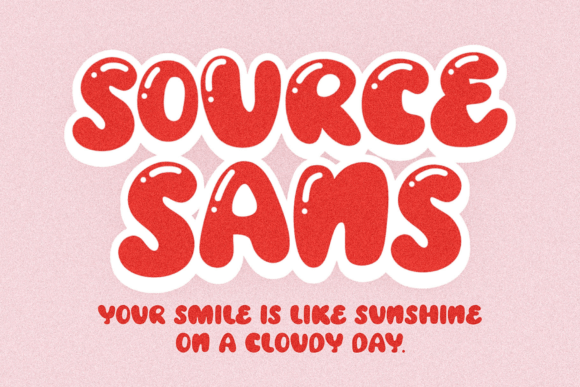
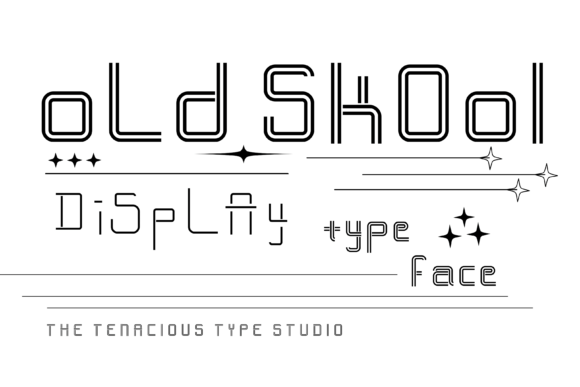
Old Skool is not just a collection of letters; it is a design asset engineered to add an incredibly joyful touch to your projects. As a display font, its primary function is to grab attention and set a specific mood. Its cute and quirky characteristics make it ideal for situations where the objective is to delight the audience. By incorporating Old Skool into your workflow, you address the need for distinctiveness immediately.
The font's unique character shapes suggest a hand-crafted feel, reminiscent of vintage signage or playful illustrations, yet it retains the clarity needed for modern applications. This duality allows it to bridge the gap between retro charm and contemporary design trends. When you add this beautiful display font to each of your creative ideas, you notice how it makes them stand out because it introduces an element of surprise. It tells the viewer that the brand behind the design is human, accessible, and full of life.
Practical Applications and Real-World Outcomes
Understanding the theoretical benefits of a font is one thing, but implementing it effectively is another. To maximize the utility of Old Skool, consider the following practical applications where its quirky nature shines brightest:
- Product Packaging: For small businesses selling handmade goods, food items, or crafts, packaging is the first physical touchpoint with the customer. Using Old Skool on labels can convey a sense of homemade care and whimsy that generic fonts cannot achieve.
- Social Media Graphics: In the scroll-heavy environment of Instagram or TikTok, static images need to pop. Headlines created with Old Skool can increase engagement rates by making posts feel more personal and less corporate.
- Event Invitations and Posters: Whether it's a birthday party, a local market, or a workshop, event materials need to generate excitement. The joyful touch of this font sets a positive expectation for the event itself.
- Merchandise and Apparel: T-shirts, tote bags, and stickers benefit greatly from display fonts that act as graphical elements. Old Skool works well here because its quirky forms become part of the illustration rather than just text.
The outcome of using such a specialized font is a cohesive brand identity that feels intentional. Customers are more likely to remember a brand that makes them smile, and typography is a key driver of that emotional response.
Tailoring Usage to Different User Needs
Different users will approach Old Skool with varying goals, and understanding these perspectives ensures better implementation.
For graphic designers, the focus is often on versatility and pairing. Old Skool serves best as a headline or accent font. A recommended strategy is to pair it with a clean, neutral sans-serif for body text. This contrast ensures that the quirkiness of the display font remains the star of the show without overwhelming the reader with too much visual noise. Designers should experiment with kerning and color to further enhance its playful nature.
For small business owners who may not have a design background, Old Skool offers a shortcut to professional-looking branding. Many DIY design platforms support custom font uploads or include similar styles. The advice here is to use the font sparingly—focus on the logo, tagline, or key calls to action. Overusing a display font can reduce its impact, so let it breathe within the layout.
Content creators and bloggers can use this font to section off content or highlight quotes. It breaks up long-form text and adds visual interest to articles, keeping the reader engaged. The key consideration for this group is legibility on mobile devices; ensure that the font size is large enough so the quirky details do not blur on smaller screens.
Making the Most of Your Typography Investment
Integrating a new font like Old Skool into your repertoire is an investment in your creative potential. To get the most value, treat it as a strategic tool rather than a decorative afterthought. Before finalizing a design, ask yourself if the tone of the font matches the message. If the goal is to inspire joy, curiosity, or nostalgia, Old Skool is likely the perfect fit. However, for legal documents or严肃 corporate reports, a more traditional typeface would be appropriate. Knowing when not to use a display font is just as important as knowing when to use it.
Furthermore, consider the color palette. Quirky fonts often pair beautifully with vibrant, saturated colors or soft pastels, depending on the desired vibe. Experimenting with textures, such as placing the text over a grainy background or a hand-drawn illustration, can amplify the vintage aesthetic inherent in the font's name and style.
Ultimately, the power of typography lies in its ability to communicate beyond words. Old Skool provides a unique avenue to express creativity, solve the problem of bland design, and connect with audiences on an emotional level. By adding this beautiful display font to your creative ideas, you are not just choosing a style; you are choosing to make your work stand out in a meaningful, joyful way. Whether you are refining a brand identity or launching a new product, let the quirky charm of Old Skool guide your designs toward greater impact and resonance.